A PP drinking straw making machine can look convincing in a quotation and still be a poor fit once production begins. The issue is rarely just the extruder size. It is whether the complete line can repeatedly make the straws your customers order, whether changing sizes is practical, and whether you can get useful support after the machine arrives.
This guide is for buyers planning a new PP drinking straw factory or expanding an existing operation. It explains the decisions worth making before requesting a quotation—without pretending that one machine model suits every product.
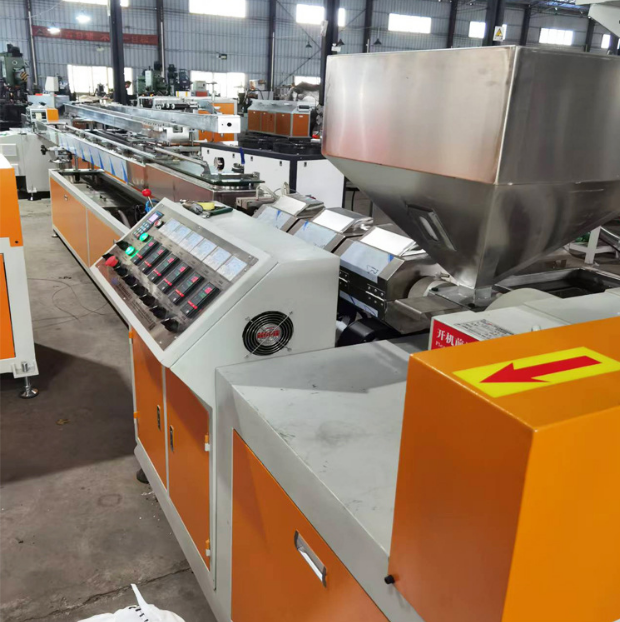
Extrusion line layout showing the feed hopper, operator controls and downstream section. The required configuration depends on the finished straw specifications.
1. Specify the straw you intend to sell—not just the machine you want to buy
A supplier can recommend equipment more accurately when you start with the finished product. Share the outside diameter, wall thickness, cut length, straight or flexible design, and cut-end requirements. A sample or drawing is helpful, particularly for unusual sizes. Also explain your target output and whether you expect to add other straw sizes later.
For example, a factory focused on standard soft-drink straws may have a different product mix from a supplier serving bubble-tea shops. Both are PP straw businesses, but their tooling and downstream requirements should be assessed against the actual product range. Do not select a line from a generic catalog photograph alone.
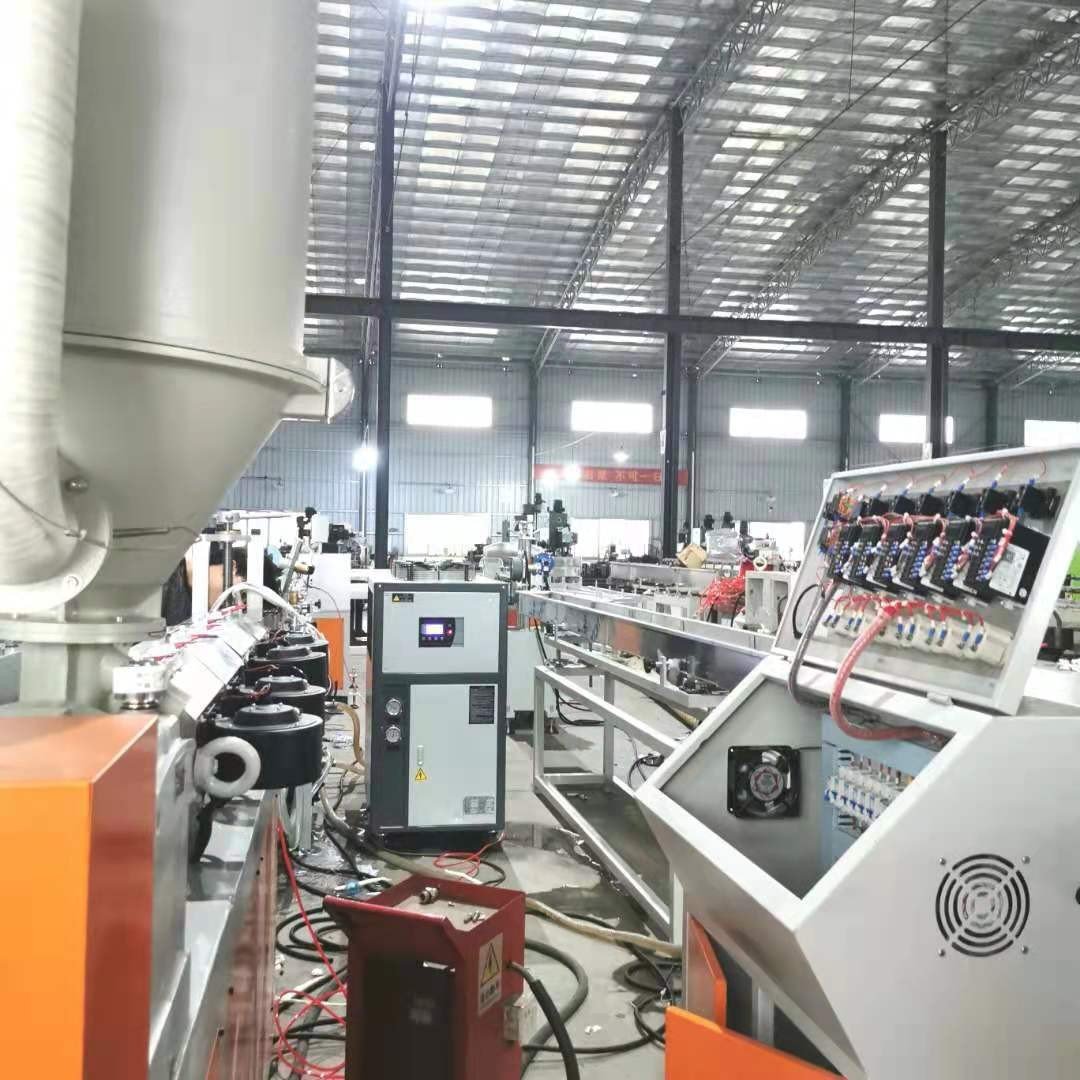
Material feeding, extrusion controls and downstream equipment are coordinated within the production line.
2. Compare 55 mm and 65 mm extruder options in context
PP straw production lines can be built around 55 mm or 65 mm extruders. The models have different production potential, but neither designation tells you how many saleable straws a factory will produce. Finished diameter, wall thickness, operating setup and downstream equipment all matter.
A larger model is not automatically the more profitable purchase. Ask the manufacturer to explain how it will assess your product mix, expected demand and future expansion. Plextrud recommends a configuration after reviewing these requirements rather than publishing a rigid “straw size = machine model” chart.
Want to compare line options for your product? Send your straw dimensions and target output through the project inquiry form or WhatsApp for a project-specific discussion.
3. Think about size changeovers before placing the order
Many manufacturers need to make more than one straw size. Within a suitable operating range, some adjustments can be made without replacing an entire die assembly. Substantial changes in diameter, however, may call for different tooling or a revised setup. The answer depends on the configuration—not a blanket promise that one line makes every size.
When speaking with a supplier, describe the sizes you need now and the sizes you might introduce next year. This helps avoid buying a line that meets today’s order but makes tomorrow’s changeover unnecessarily difficult.
4. Judge usable production, not a headline speed
An advertised maximum speed is only one part of production economics. If the line struggles to hold dimensions or the cut length varies, the number of acceptable straws may be lower than the headline suggests. Stable extrusion, coordinated haul-off, effective cooling and reliable cutting are practical considerations.
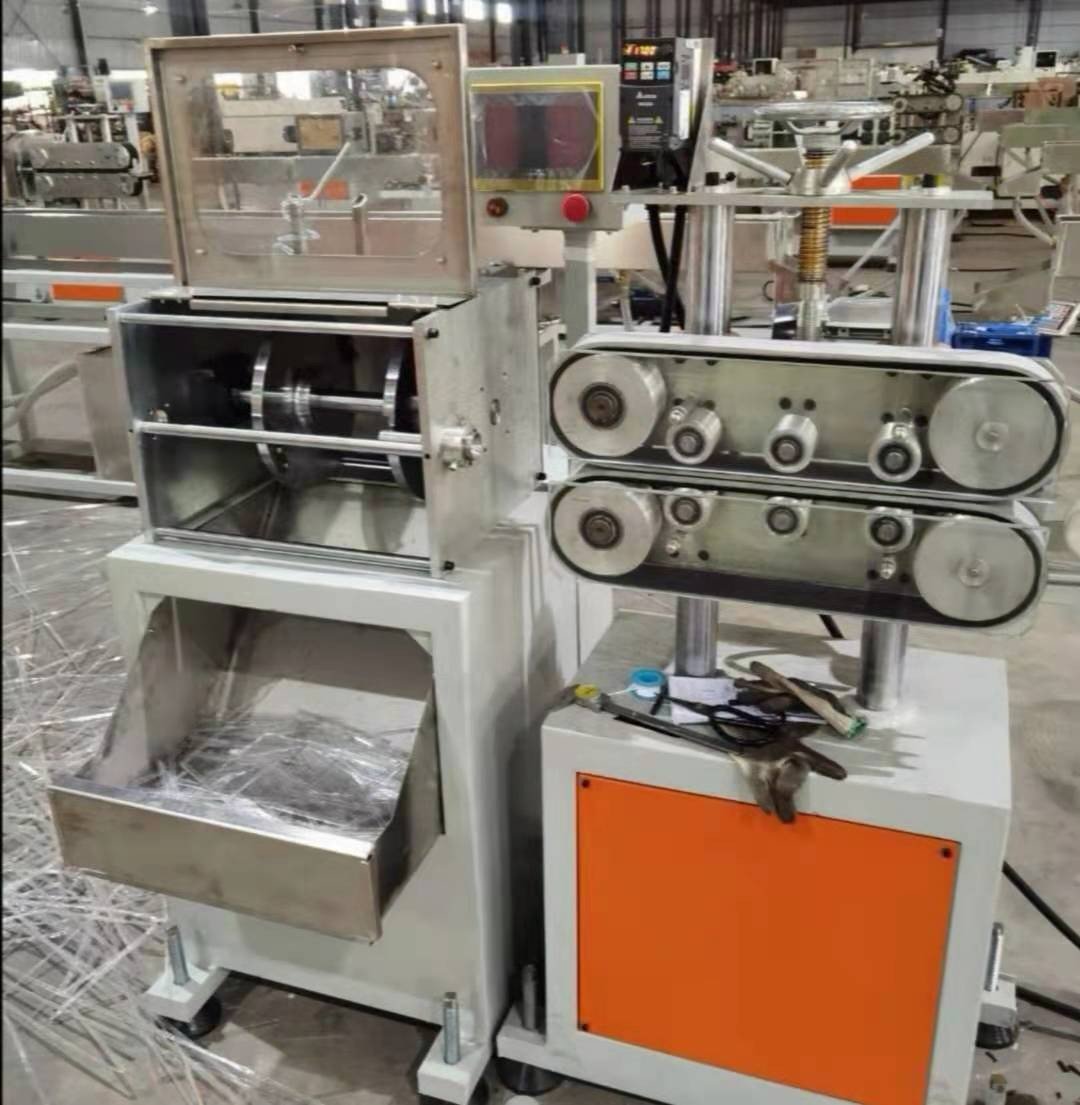
Downstream rollers and cutting equipment: consistent feeding and cutting matter when evaluating usable output.
When comparing capacity claims, ask whether they refer to the same straw diameter, wall thickness, PP grade and operating conditions. A meaningful supplier discussion should also cover scrap during startup, changeover time and the checks used to assess finished straws. Those questions are useful even when you do not have a final output target yet.
5. Confirm what “complete production line” actually includes
A typical PP straw extrusion line combines material extrusion and forming with cooling/sizing, haul-off and cutting. Flexible straws require appropriate downstream bending equipment. Auxiliary systems, tooling, control features and the precise supply scope vary by project.
Before comparing prices, ask each supplier to list what is included and what is optional. Two quotations that both say “PP straw making machine” may cover very different equipment and service packages. Plextrud primarily supplies complete production lines; individual components or dies require a separate technical review.
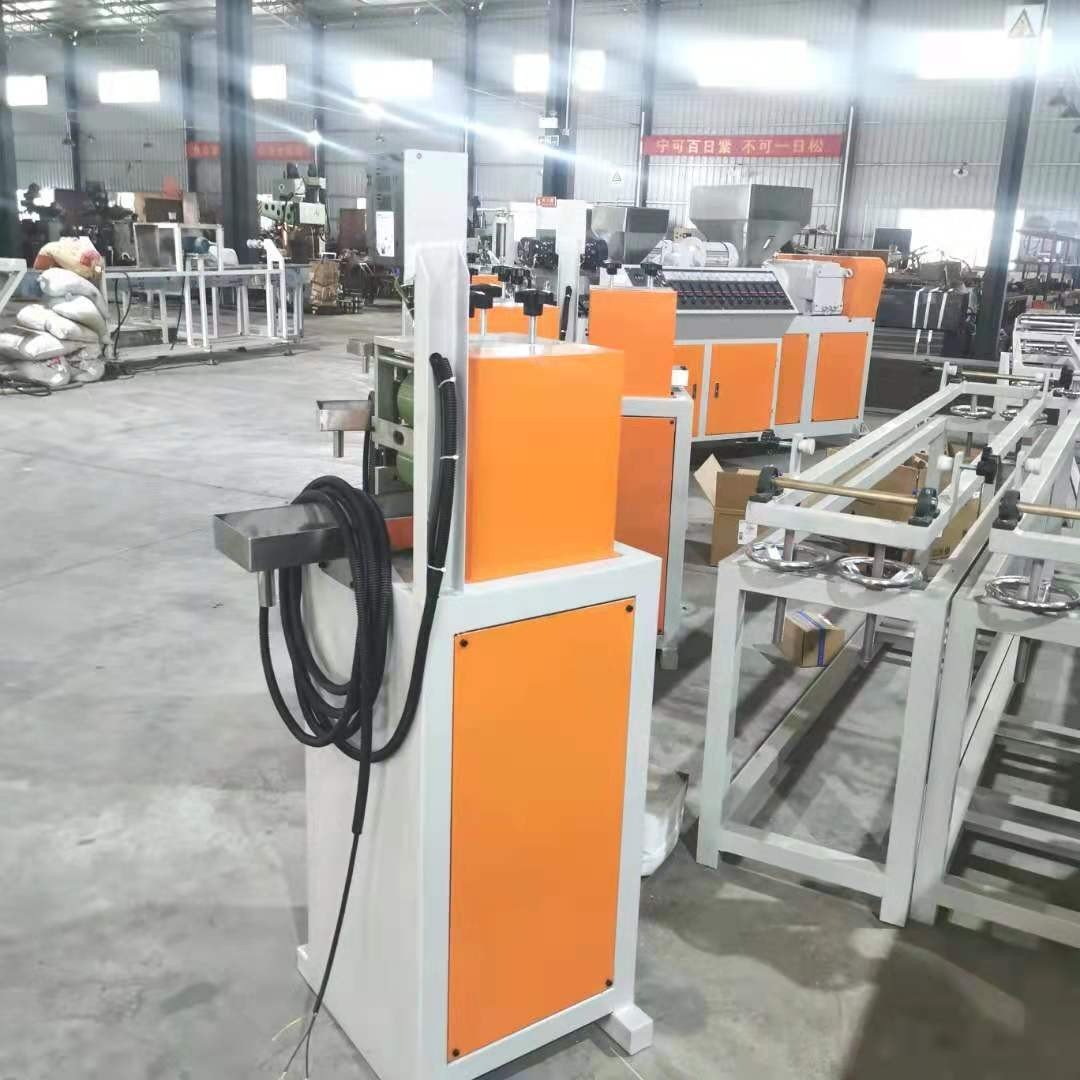
Factory-floor view of extrusion and downstream equipment. Confirm the exact units included in a supplier quotation.
6. Understand why quotations differ
Price differences can reflect line scope, component selection, tooling, customization and after-sales arrangements—not simply the extruder diameter. A low figure is not necessarily good value if important downstream equipment or installation expenses are excluded.
Request a quotation tied to the finished product specifications and a clear scope of supply. Confirm the responsibilities for installation, commissioning, travel and accommodation before making a purchasing decision. Comparing like with like is more useful than chasing the lowest number.
A practical quotation check: Choose one representative straw order and ask each supplier to explain the full production route, from material feeding to finished cutting. Check which cooling, haul-off and cutting units are included, how size changes are handled, what trial-run samples can be reviewed, and who is responsible for commissioning. This turns a vague price comparison into a discussion of whether the proposed equipment can make your actual product.
7. A responsible manufacturer will clarify your requirements
A custom equipment order should not begin with assumptions. For a complete line, clear straw specifications, expected output and site information help the manufacturer assess feasibility. For a separate die or component, drawings, dimensions and connection details are especially important.
Plextrud asks for clarification when critical details are missing rather than confirming production before the intended application is understood. That extra conversation can prevent costly mismatches between a supplied component and an existing machine.
Have a sample, drawing or a list of required straw sizes? Share it with our team. We can discuss what information is still needed before a suitable proposal is prepared.
8. Ask what happens after the line reaches your factory
Plextrud offers a one-year warranty on complete production lines, subject to the agreed warranty terms. For overseas complete-line customers, experienced technicians provide on-site installation, commissioning and hands-on training for the customer’s operators and machine-adjustment personnel. Technician travel and accommodation are charged separately.
After the visit, customers can contact the technical team for remote guidance, including video calls when needed. Standalone component or tooling orders do not include overseas on-site installation and commissioning. Always confirm the exact service scope in your quotation.
9. Send these details to get a useful recommendation
Before requesting a PP drinking straw machine quotation, prepare:
- Straw outer diameter and wall thickness
- Finished length and cut style
- Straight or flexible straw requirement
- Target production output
- Current and planned size range
- Whether the project is a new factory or an expansion
Photos, samples and drawings can shorten the clarification process. You do not need to decide between a 55 mm and a 65 mm extruder on your own. Your job is to describe the product and business requirement; the supplier’s job is to explain the proposed line.
Frequently asked questions
Can one PP straw making machine produce several straw sizes?
Often yes, within the configured product range. Major changes may require additional tooling or setup changes. Confirm your planned range before ordering.
Is a 65 mm PP straw extruder always better than a 55 mm one?
No. The appropriate choice depends on your product specifications, required output and complete line configuration.
Can the line produce flexible drinking straws?
Yes, with suitable downstream bending equipment. The bending unit is not the same as the extrusion line itself.
What information affects the price of a PP straw making machine?
Line scope, tooling, components, required product range and service arrangements can all affect a quotation. Request a proposal based on your actual straw specifications.
Does Plextrud offer overseas installation?
For complete production lines, on-site installation, commissioning and hands-on training are offered; technician travel and accommodation are charged separately.
Get a PP straw production line proposal based on your products
The best next step is not guessing a machine model. Tell Plextrud what you plan to make, what dimensions matter and what production demand you expect. Our team can review your requirements and discuss a suitable PP drinking straw extrusion line configuration.
Request a project-specific recommendation: submit your product specifications using the website inquiry form or contact our team on WhatsApp.
 English
 Español de México
 Português do Brasil
 Tiếng Việt
Join the Conversation
Have questions about this topic, or want to share your experience with extrusion lines? We read every comment and reply personally -- your insight helps the whole community.
Your thoughts matter -- share what's on your mind and help others in the industry.