
Biodegradable straws are part of a wider shift in how food-service brands, packaging buyers and manufacturers evaluate single-use materials. The opportunity is real, but the decision is more complex than replacing conventional plastic with a material labelled “eco-friendly.” Buyers increasingly need to understand the exact resin, the intended use, the applicable rules and what happens after disposal.
For straw producers, the strongest approach is to treat material choice, finished-product performance and end-of-life claims as one connected decision.
Why biodegradable straws are part of a wider materials shift
Restaurants, beverage brands, caterers and takeaway businesses face pressure to reduce the environmental impact of single-use items. At the same time, packaging and product rules are moving toward clearer material identification, waste prevention and more reliable end-of-life systems. This affects far more than straws: food containers, flexible packaging, agricultural products and consumer goods are also being assessed through material sourcing, reuse, recycling and composting requirements.
That does not mean one alternative material will suit every product. Paper, reusable products, recyclable plastics and compostable materials each fit different applications. A straw must also work in the drink it is designed for, retain its shape for the expected use, meet the buyer’s appearance requirements and fit the collection or treatment options available in its market.
Regulations are shaping the conversation, but rules differ by product and market
What the EU single-use plastics rules mean for straws
The European Union’s Single-Use Plastics Directive identifies straws among the single-use plastic products addressed by the directive. Since 3 July 2021, certain single-use plastic items covered by the restrictions have not been allowed on EU markets where sustainable alternatives are easily available and affordable. The European Commission also explains that bio-based and biodegradable plastics are still treated as plastic under the directive’s market restrictions. In other words, a PLA label does not automatically place a straw outside the rules.
Manufacturers selling into the EU should verify the product’s classification and the current requirements for the specific application. Do not rely on a material name alone to establish market access.
Packaging rules affect the wider supply chain
The EU Packaging and Packaging Waste Regulation (PPWR) began applying on 12 August 2026. It establishes a common framework for packaging and packaging waste, with measures introduced on different timelines for recyclability, waste prevention and harmonised labelling. The regulation addresses packaging; it should not be described as a blanket rule requiring every drinking straw to be compostable.
For manufacturers and buyers working across food and beverage packaging, the practical lesson is to track requirements by product and destination. A straw sold as part of a packaged product can sit within a broader packaging discussion, while its own material and single-use-product requirements may be assessed separately.
Where PLA fits—and what the term does not guarantee
PLA is a bio-based plastic used in some straw projects. It can be a relevant option when the material specification, product design, processing conditions and target market align. However, “bio-based,” “biodegradable” and “compostable” describe different properties. A bio-based plastic is made partly or wholly from biological resources, but it is not necessarily biodegradable. Biodegradation depends on defined environmental conditions, and compostability normally refers to performance in a specified composting process.
The European Commission’s policy framework warns that vague claims can confuse buyers and consumers. Compostable plastics generally need to be collected and treated in suitable facilities; a product should not be presented as breaking down harmlessly in any natural environment. Manufacturers should use claims that match the material’s evidence, relevant test conditions, applicable standards and the disposal route available to the customer.
PLA is not the only material discussed in this area. PBS, PHA and blends may appear in market conversations, but each formulation can have different processing and performance requirements. Confirm the resin grade and technical data with the material supplier before making equipment or product decisions. Do not assume that a line configured for one formulation will automatically process every alternative.
What manufacturers should check before choosing a straw material
- Resin details: Record the exact material grade, supplier data sheet and recommended processing window.
- Use conditions: Define the beverage, contact time, temperature and expected handling so the finished straw can be assessed for its intended use.
- Product requirements: Confirm diameter, wall thickness, cut length, color, surface appearance and any stripe or packaging requirements.
- Market and claims: Identify the destination market, applicable product rules, substantiation needed for environmental claims and any labelling requirements.
- End-of-life route: Check whether collection and suitable composting or recycling infrastructure exists where the product will be sold. Avoid claims that imply disposal in nature is acceptable.
- Production trials: Test the chosen resin with the intended dimensions and operating conditions. Review samples for appearance and agreed product criteria before scaling up.
Trends across food service, agriculture and consumer packaging
Food service is a visible area for single-use alternatives because straws, cups, lids and takeaway items meet consumers directly. Buyers may compare paper, reusable and compostable options, but the best choice depends on user experience, local rules and waste collection. Agricultural uses such as mulch films and plant-related products raise a different question: whether biodegradation in a defined setting can reduce the need to collect a product after use. In consumer and e-commerce packaging, recyclability, reduced material use and clear sorting instructions are also gaining importance.
Across these sectors, material development alone is not enough. Buyers need traceable specifications and credible end-of-life information. Suppliers that can explain material limits clearly are better placed to help customers compare options without overpromising environmental benefits.
What the trend means for straw manufacturers
Global demand for lower-impact products does not create one universal specification for biodegradable straws. Market access, resin choice, finished-straw performance and disposal infrastructure all vary. Manufacturers can reduce risk by beginning with a target market and product brief, then confirming the material and test criteria with their suppliers and customers.
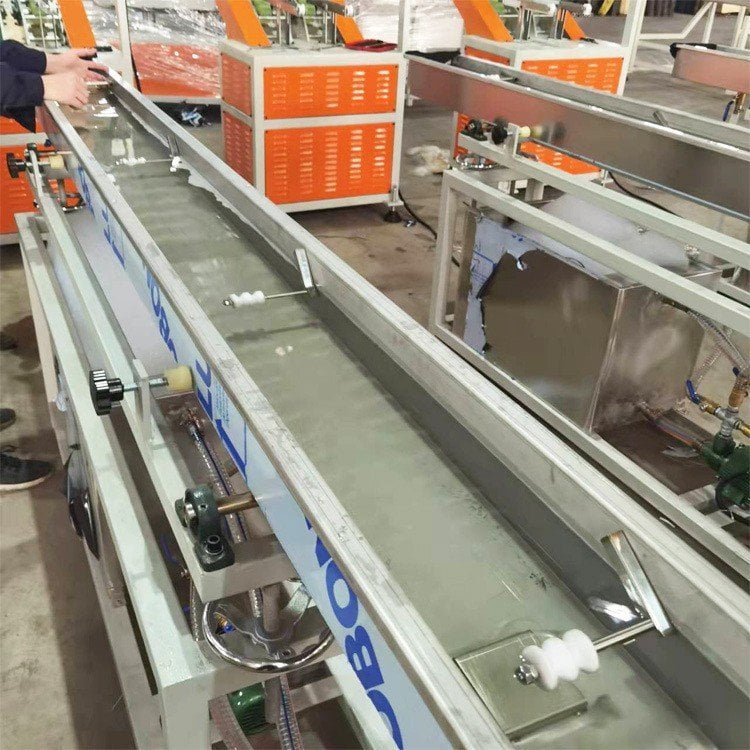
If you are planning a PLA straw project, define the resin grade, straw dimensions, appearance requirements and target output before selecting a production setup. PLEXTRUD’s straw extrusion line overview outlines the information buyers can prepare for a project discussion.
Frequently asked questions
Are all bio-based plastics biodegradable?
No. “Bio-based” describes the source of the raw material. It does not by itself confirm that a plastic is biodegradable or compostable.
Does a PLA straw automatically comply with plastic restrictions?
No. EU guidance treats bio-based and biodegradable plastics as plastic under the Single-Use Plastics Directive. Check the specific product and destination-market requirements.
Does biodegradable mean a straw can be thrown away outdoors?
No. Biodegradation depends on defined conditions. Compostable products generally need appropriate collection and treatment, and should not be presented as safe to litter.
Can one extrusion setup process every biodegradable resin?
Not necessarily. Resin grades and formulations can have different processing windows. Confirm compatibility through supplier data and project-specific trials.
Sources: European Commission: Bio-based, biodegradable and compostable plastics; European Commission: Single-use plastics; Regulation (EU) 2025/40 on packaging and packaging waste.
 English
 Español de México
 Português do Brasil
 Tiếng Việt
Join the Conversation
Have questions about this topic, or want to share your experience with extrusion lines? We read every comment and reply personally -- your insight helps the whole community.
Your thoughts matter -- share what's on your mind and help others in the industry.