
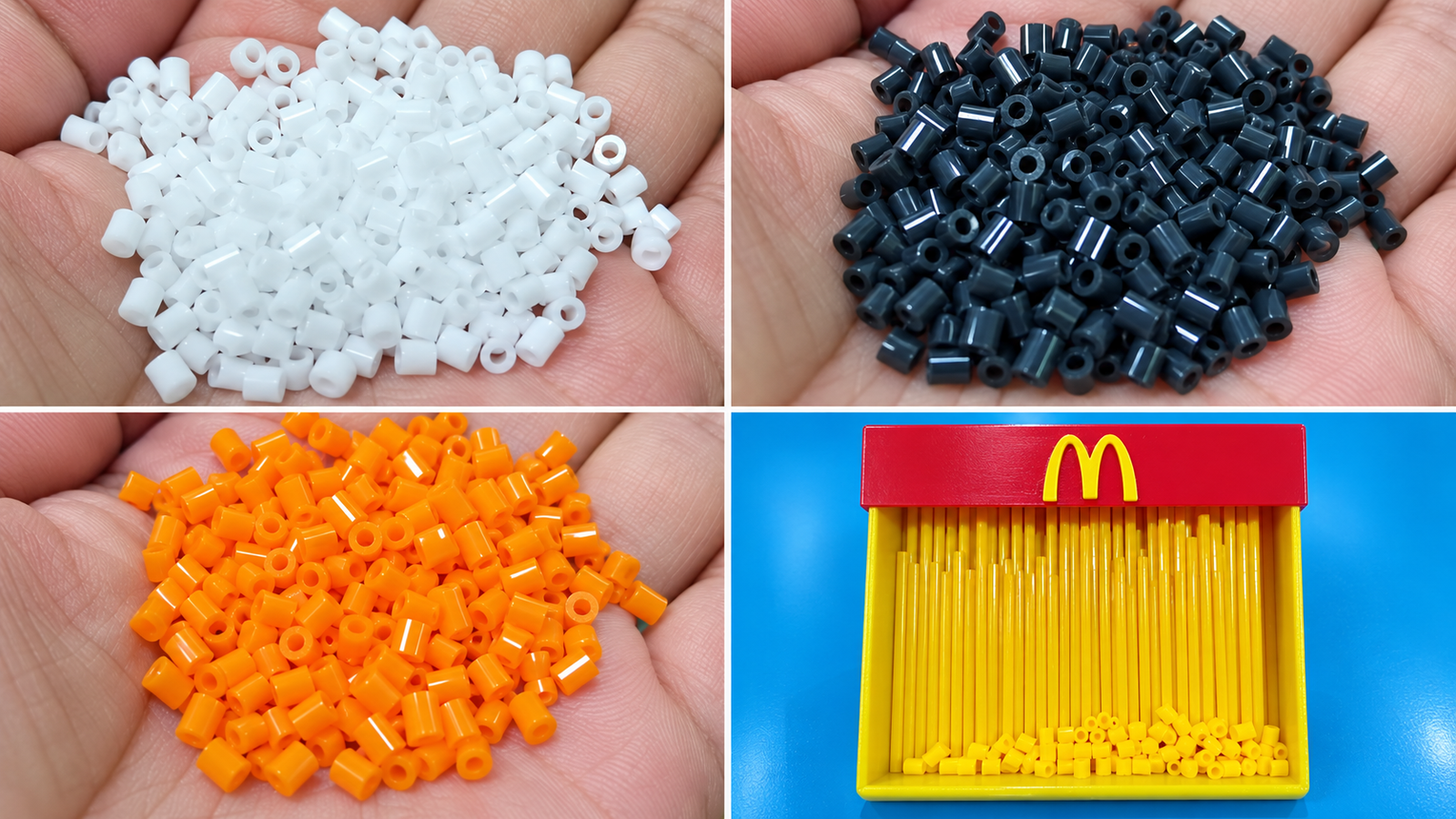
Why can two fuse beads making machines have very different prices, even when they appear to produce similar products?
The answer lies in more than the extruder itself.
Bead dimensions, raw materials, tooling, cutting systems, automation, and finished-product quality all influence the equipment configuration and total investment.
For manufacturers entering the fuse beads market, buying a production line is not simply about finding the lowest machine price.
It is about choosing equipment that can produce the required beads consistently, control manufacturing costs, and support the intended production business.
The most important question is not just how much a fuse beads making machine costs, but what equipment, production capability, and services are included in that price.
This guide explains the main cost factors, common purchasing mistakes, and practical steps buyers can take before investing in a fuse beads extrusion line.
What Determines the Cost of a Fuse Beads Making Machine?
The cost of a fuse beads making machine depends on the manufacturing requirements and the complete equipment scope.
Two suppliers may offer different quotations because their proposed production lines include different components, tooling, or levels of automation.
The main factors are summarized below.
| Cost Factor | How It Affects the Investment |
|---|---|
| Bead dimensions | Different outer diameters, inner diameters, and cutting lengths may require different tooling |
| Nguyên liệu thô | Different resins and formulations require suitable processing configurations |
| Năng suất | Output requirements influence extrusion and downstream equipment selection |
| Cutting system | Cutting performance affects finished bead length and end-face quality |
| Automation | Additional feeding, sorting, and collection systems affect the equipment scope |
| Color requirements | Color handling and changeover requirements can influence equipment selection |
| Quality control | Inspection and measurement requirements may involve additional equipment |
| Installation and support | Shipping, commissioning, training, and after-sales services affect total project costs |
Why Comparing Machine Prices Alone Can Be Misleading
Imagine receiving two quotations for a fuse beads production line.
Supplier A offers a lower price but does not include the complete collection and handling system.
Supplier B provides a higher quotation that includes the equipment required for the intended production process.
The quotations may appear comparable, but they represent different scopes of supply.
The buyer may eventually need to purchase additional equipment to make the lower-priced option suitable for production.
Before comparing prices, confirm exactly what is included, optional, and excluded from each quotation.
Understanding Fuse Bead Products Before Investing
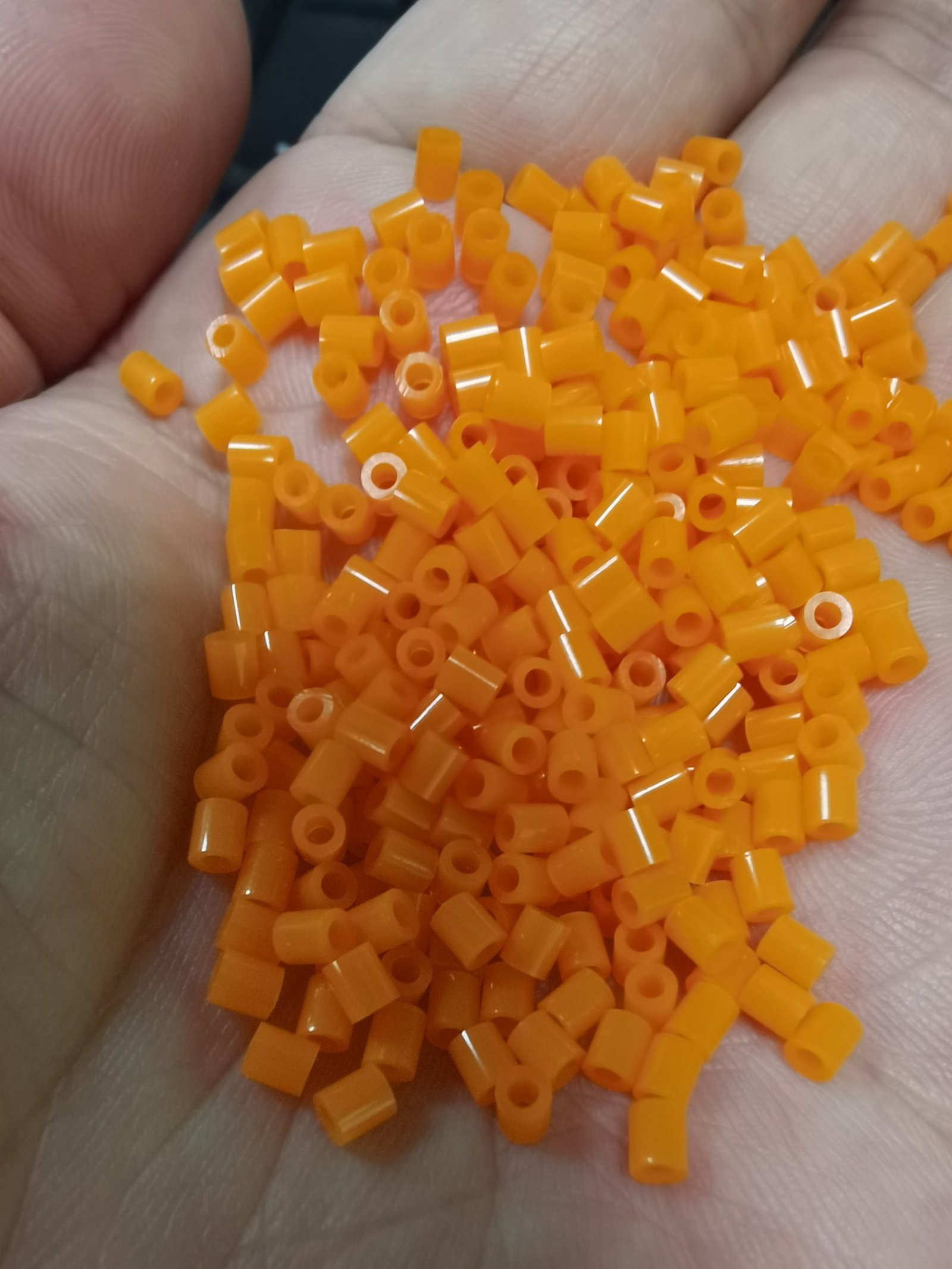
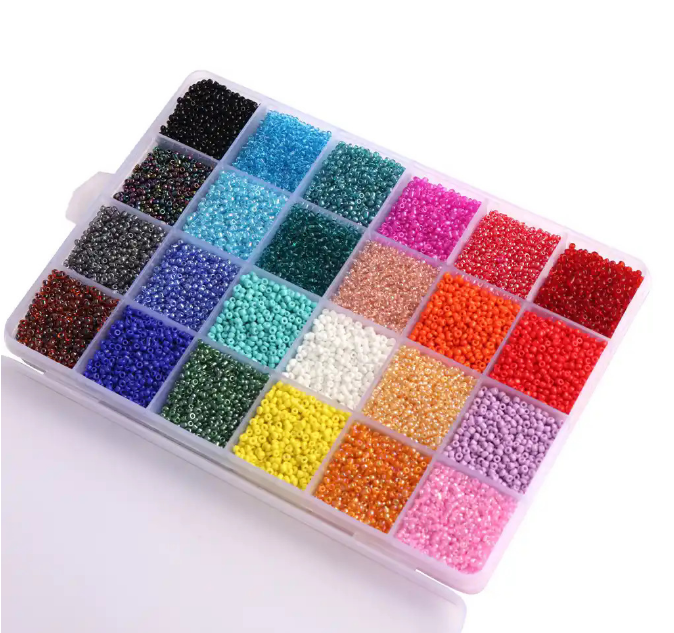
Fuse beads, also known as ironing beads or melty beads, are small plastic craft beads used to create patterns and pixel-art designs.
They are commonly arranged on pegboards and fused together using controlled heat.
Established brands such as Perler, Hama, and Artkal offer different product sizes, colors, and packaging formats.
These product ranges help illustrate why manufacturers should define their target products before purchasing equipment.
Common Fuse Bead Sizes
| Product Category | Reference Size | Common Application |
|---|---|---|
| Mini fuse beads | Approximately 2.5–2.6 mm | Detailed artwork and intricate designs |
| Standard / Midi fuse beads | Approximately 5 mm | General craft and creative projects |
| Maxi fuse beads | Approximately 10 mm | Larger bead designs and suitable craft activities |
These are examples of commercially marketed sizes, not universal manufacturing specifications.
Actual bead dimensions and tolerances may differ between brands.
For manufacturers, nominal size is only the starting point.
Other important requirements include:
- Outer diameter
- Inner diameter
- Cutting length
- Roundness
- Dimensional tolerance
- Color consistency
- Compatibility with the intended pegboard
A manufacturer should confirm these specifications before selecting tooling or production equipment.
Why Product Positioning Matters
A manufacturer targeting standard craft beads may have different equipment requirements from a business focused on mini beads.
Likewise, a company offering hundreds of colors may need to pay more attention to production scheduling and material changeovers.
Before investing, manufacturers should understand the intended product range, target customers, packaging requirements, and expected production volume.
How Do Different Bead Sizes Affect Production Costs?
One commonly overlooked cost factor is the relationship between bead dimensions and manufacturing requirements.
Different product sizes can affect tooling, production settings, quality inspection, and the amount of material used per finished bead.
Tooling Requirements
A production line is configured around specific product dimensions.
If a manufacturer plans to offer multiple sizes, additional tooling or adjustments may be necessary.
The quotation should explain which sizes are supported by the supplied tooling and whether extra components will be required.
Raw Material Consumption
Beads with different dimensions can require different quantities of material.
Even when two products use the same resin, changes in outer diameter, inner diameter, or cutting length can change the finished weight.
This affects the number of beads that can be produced from a given quantity of raw material.
Quality Inspection
Smaller beads may require careful dimensional inspection because minor variations can affect appearance and pegboard compatibility.
The appropriate tolerance must be determined by the actual product requirements.
Product Changeovers
Manufacturers offering several bead sizes should also evaluate the time required to change tooling and adjust production settings.
Changeover time can affect production scheduling and operating costs.
Buyer recommendation: Prepare a complete product specification list before requesting a quotation, rather than evaluating one bead size at a time.
How Are Fuse Beads Manufactured?
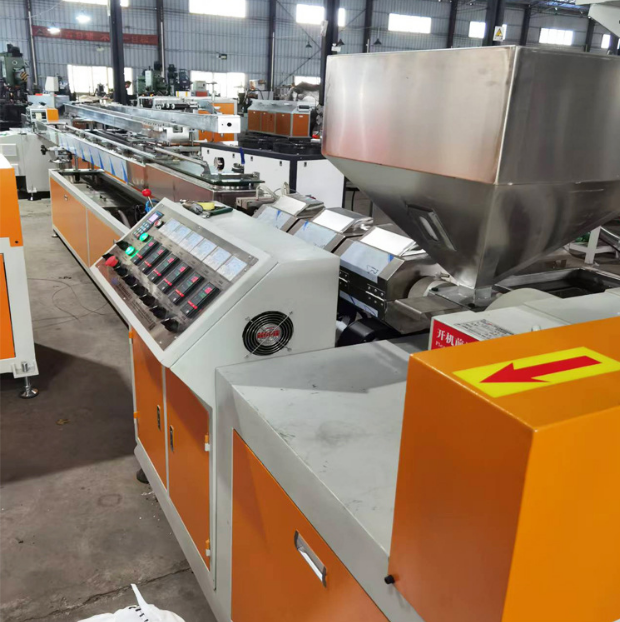
Understanding the manufacturing process helps buyers identify the equipment needed for production.
In a typical extrusion-based process, thermoplastic material is formed into a continuous hollow profile and cut into individual beads.
The process generally includes six stages.
1. Material preparation
The selected plastic resin is prepared according to its processing requirements. Suitable colorants or additives may be incorporated.
2. Extrusion
The material is processed through an extrusion system under controlled operating conditions.
3. Profile formation
The molten material passes through tooling to form the required hollow profile.
4. Cooling and dimensional control
The profile is cooled under conditions appropriate for the selected material and product dimensions.
5. Cutting
The continuous profile is cut into individual beads according to the required finished length.
6. Inspection and collection
Finished beads are collected and may undergo inspection, screening, sorting, or packaging.
Not every supplier includes all downstream equipment in a standard quotation.
This is one reason buyers should request a complete production-line configuration rather than relying only on an extruder model.
For more information about production equipment, explore PLEXTRUD’s fuse beads extrusion line.
What Should Be Included in a Fuse Beads Machine Quotation?
A clear equipment quotation should explain what the buyer will receive.
The exact scope varies by project, but the following items should be reviewed.
| Equipment or Service | What Buyers Should Confirm |
|---|---|
| Extrusion system | Included components and control arrangement |
| Extrusion tooling | Number of dies and supported bead specifications |
| Cooling equipment | Configuration suitable for the selected material |
| Haul-off system | Compatibility with the proposed production process |
| Cutting equipment | Supported cutting requirements |
| Collection equipment | Included handling and collection arrangements |
| Color handling | Material dosing and changeover arrangements |
| Inspection equipment | Standard functions and optional measurement systems |
| Electrical configuration | Voltage, frequency, and site utility requirements |
| Equipment testing | Agreed trial conditions and sample inspection |
| Installation | Included services and separately charged expenses |
| Warranty | Coverage, exclusions, and replacement-part arrangements |
Standard Equipment vs Optional Equipment
Some suppliers may include certain downstream systems as standard equipment.
Others may list them as optional accessories.
Examples of functions that require clarification include automatic collection, color dosing, inspection, and packaging.
These differences can significantly affect the final investment.
Three Questions to Ask Before Comparing Quotations
- Is the price for a complete production line or only part of the equipment?
- Which additional components are required to manufacture my target products?
- Which services and expenses are excluded from the quotation?
Getting clear answers makes supplier comparisons more meaningful.
What Is the Total Cost of Starting Fuse Beads Production?
The equipment purchase price is only one part of the total manufacturing investment.
A complete budget should also consider installation, operation, raw materials, labor, maintenance, and product quality losses.
Main Investment and Operating Costs
| Cost Category | What Manufacturers Should Consider |
|---|---|
| Equipment | Production line and auxiliary systems |
| Tooling | Dies and components for different bead sizes |
| Raw materials | Resin, colorants, and suitable additives |
| Electricity | Actual operating energy consumption |
| Labor | Operators, inspection, and material handling |
| Packaging | Bags, containers, labeling, and packaging equipment |
| Maintenance | Routine servicing and replacement parts |
| Logistics | Shipping, insurance, duties, and local transportation |
| Installation | Site preparation, commissioning, and training |
| Quality losses | Startup scrap and rejected products |
| Working capital | Inventory and operating expenses before sales revenue |
Why Production Yield Matters
A machine may produce a large number of beads, but not every bead will necessarily meet the agreed quality standard.
Manufacturers should therefore evaluate the number of acceptable finished products.
A useful calculation is:
Cost per 1,000 Accepted Beads = Total Relevant Production Cost ÷ Number of Accepted Beads × 1,000
For example, consider a hypothetical production period in which 100,000 beads are manufactured.
If 90,000 beads pass inspection, the acceptable product yield is 90%.
If another production arrangement achieves a higher acceptable yield at the same total production cost, its cost per accepted bead will be lower.
This example illustrates the effect of quality losses; it is not a claim about any specific machine’s performance.
How Should Manufacturers Estimate Investment Payback?
Investment payback depends on several factors:
- Initial equipment investment
- Finished-product selling price
- Confirmed or expected sales volume
- Raw material costs
- Labor and electricity
- Maintenance expenses
- Product yield
- Equipment utilization
Manufacturers should calculate investment returns using their own business assumptions.
A machine supplier cannot reliably guarantee a specific payback period without understanding the buyer’s operating conditions and sales expectations.
Planning a fuse beads manufacturing project?
Liên hệ PLEXTRUD to discuss your product requirements and the equipment scope needed for your production plan.
Five Costly Mistakes When Buying a Fuse Beads Making Machine
Equipment purchasing mistakes can create unexpected expenses after delivery.
The following five issues deserve particular attention.
Mistake 1: Comparing Only the Extruder Price
A quotation for the extruder alone may be much lower than the price of a complete production line.
However, additional equipment may be required for cooling, cutting, and collection.
How to avoid it: Request a complete equipment list and confirm the scope of supply.
Mistake 2: Failing to Confirm Finished Bead Dimensions
A manufacturer may request a machine for standard fuse beads without providing detailed dimensions.
However, nominal bead size does not define every manufacturing requirement.
The final product must match the intended dimensions and pegboard.
How to avoid it: Provide technical drawings or reference samples showing the required outer diameter, inner diameter, and cutting length.
Mistake 3: Underestimating Color Changeover Costs
Fuse bead businesses may offer multiple colors.
Changing between colors can require material purging, cleaning, production adjustments, and additional handling.
These activities may create downtime and material waste.
How to avoid it: Discuss the planned number of colors, production batch sizes, and changeover frequency before equipment selection.
Mistake 4: Trusting Maximum Output Without Test Conditions
A supplier may advertise a high production capacity.
However, actual acceptable output depends on material, bead dimensions, production conditions, and downstream equipment.
The maximum theoretical output does not necessarily represent the number of saleable beads produced during normal operation.
How to avoid it: Request production testing using the agreed material and finished-product specifications.
Mistake 5: Ignoring Packaging, Installation, and After-Sales Costs
The production process does not end when beads leave the cutting system.
Manufacturers may still need inspection, sorting, packaging, equipment installation, operator training, and spare-parts support.
How to avoid it: Review the complete project budget and clarify responsibilities before placing an order.
Avoiding these mistakes can help buyers make more informed investment decisions.
Why Finished Bead Quality Affects Manufacturing Profitability
Finished-product quality influences both customer satisfaction and operating costs.
For fuse beads, dimensional consistency is particularly important because the beads must work with the intended pegboard.
Important Quality Characteristics
Outer diameter consistency
Beads should meet the agreed outside dimensions.
Inner diameter consistency
The internal opening should be suitable for the intended pegboard.
Roundness
Excessive ovality may interfere with product appearance or fit.
Cutting length
Inconsistent bead height can affect the finished product.
Cut-end quality
Rough edges, burrs, and deformation may reduce product acceptance.
Color consistency
Manufacturers should establish suitable color references and quality checks across production batches.
How Can Buyers Verify Product Quality?
Before purchasing equipment, buyers should agree on an inspection method.
This may involve measuring samples, checking the appearance of cut beads, and performing a fit test using the intended pegboard.
The equipment acceptance process should use defined product requirements rather than vague descriptions such as “high precision” or “excellent quality.”
Why Quality Control Matters Financially
Rejected products increase the effective cost of acceptable finished beads.
Poor quality can also create additional inspection work, sorting expenses, customer complaints, and production interruptions.
For this reason, buyers should evaluate quality and acceptable output together.
How to Compare Fuse Beads Machine Suppliers
Choosing the right supplier requires more than reviewing equipment photographs or prices.
Buyers should compare technical suitability, quotation transparency, testing arrangements, and after-sales support.
Supplier Evaluation Checklist
Before ordering, ask the supplier:
- Can the proposed equipment produce my exact bead dimensions?
- Is the selected raw material suitable for the proposed configuration?
- Which tooling and downstream systems are included?
- What additional equipment is optional?
- How will finished-product quality be verified?
- Can I review samples or a production trial before shipment?
- What are the installation and operator-training arrangements?
- What warranty coverage and spare-parts support are available?
- What costs are excluded from the quotation?
- Which electrical and utility requirements must my facility provide?
Do Not Overlook Product Safety
If the finished beads are intended for children’s toys, manufacturers must also review the product safety requirements in their destination markets.
Requirements may involve material safety, small-parts hazards, labeling, testing, and other applicable obligations.
A production machine does not automatically guarantee that finished products comply with toy safety regulations.
The manufacturer or responsible economic operator should verify the requirements applicable to its particular products and markets.
Request Sample-Based Acceptance
A practical equipment evaluation should include agreed sample specifications and inspection criteria.
Before shipment, buyers may request trial videos, finished-product samples, and relevant inspection results.
This helps establish whether the proposed production process meets the agreed requirements.
Request a Customized Fuse Beads Production Line Solution
A successful fuse beads manufacturing project begins with a clear definition of the intended product.
At PLEXTRUD, we provide customized plastic extrusion line solutions based on raw materials, product dimensions, production requirements, and local electrical standards.
Our project support includes equipment selection, configuration review, pre-shipment testing arrangements, logistics, installation and commissioning, operator training, and after-sales technical support according to the agreed scope.
What Information Should You Provide?
To help us review your project, please share:
| Information | Details |
|---|---|
| Nguyên liệu thô | Intended resin grade or formulation |
| Bead dimensions | Outer diameter, inner diameter, and cutting length |
| Product sample | Drawing or reference sample, if available |
| Color requirements | Number of colors and expected changeover frequency |
| Target output | Required hourly or daily production |
| Electrical supply | Voltage, frequency, and phase |
| Destination | Country where the equipment will be installed |
| Additional requirements | Inspection, sorting, packaging, or other functions |
These details allow us to evaluate the equipment configuration more accurately.
Start Your Fuse Beads Manufacturing Project
Are you planning to establish a new fuse beads production facility or expand an existing manufacturing operation?
Instead of comparing machine prices alone, evaluate the complete investment, production requirements, and long-term operating needs.
Liên hệ PLEXTRUD to discuss your fuse beads production project and request a customized equipment quotation.
Frequently Asked Questions
How much does a fuse beads making machine cost?
The price depends on the equipment configuration, required bead specifications, production capacity, automation, tooling, and included services.
A reliable quotation requires a clear understanding of the intended manufacturing project.
Can one fuse beads production line manufacture different bead sizes?
A production line may support different sizes through appropriate tooling and configuration changes.
The supported size range and required replacement components should be confirmed before ordering.
What raw materials are used to manufacture fuse beads?
Polyethylene is used in commercially available fuse bead products. Other materials or blends may be considered depending on the intended product and verified processing requirements.
Material compatibility and finished-product suitability should be assessed before selecting equipment.
What is more important: production speed or finished-product quality?
Both are important.
However, the actual number of acceptable finished beads is more useful for evaluating manufacturing efficiency than theoretical machine speed alone.
Cần những thông tin gì để báo giá?
Buyers should provide their intended raw material, bead dimensions, color requirements, target output, electrical specifications, destination country, and any special production requirements.
Can PLEXTRUD provide customized fuse beads production equipment?
Yes.
PLEXTRUD can review project-specific material, dimensional, production, electrical, and auxiliary equipment requirements to discuss a suitable extrusion line configuration.
 English
 Español de México
 Português do Brasil
 Tiếng Việt
Join the Conversation
Have questions about this topic, or want to share your experience with extrusion lines? We read every comment and reply personally -- your insight helps the whole community.
Your thoughts matter -- share what's on your mind and help others in the industry.